How I Built Scout. It Looks for Jobs While You Sleep
Two weeks ago, Scout was one line at the end of a blog post. Now it reads job boards every night while you sleep. Getting there meant turning down the easiest way to make it look useful.
Two weeks ago, Scout was one line at the end of a blog post. Now it reads job boards every night while you sleep. Getting there meant turning down the easiest way to make it look useful.
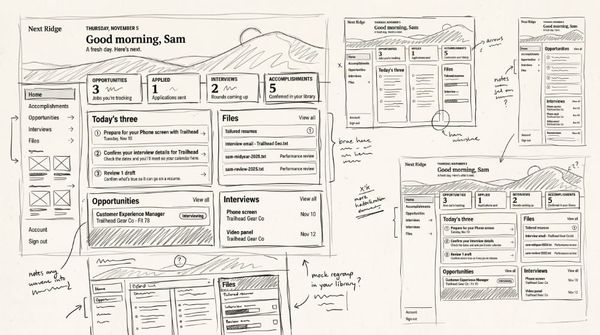
Almost a month ago, I got laid off. Job hunting had become a full-time job with no tools, no team and no way to manage it. So I did what product managers do with a broken process. I built a tool to help.
A developer released clones of Photoshop, Word and Excel in under two weeks and declared software over. Cue the SaaSpocalypse. I felt the same excitement and unease I felt when Napster showed up. If anything can be copied, what are we really building? And why does the hard part still feel so hard?
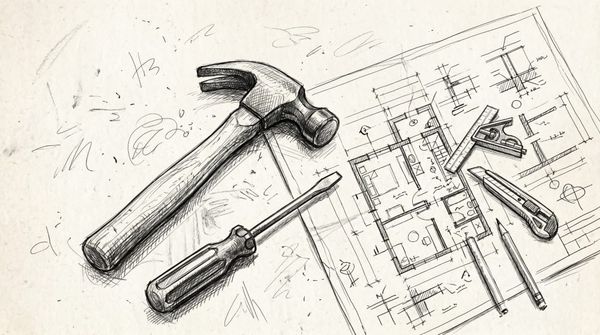
Your agent has context. It has memory. It knows what to do. But until now, it's still just talking. Tools and MCPs are what change that — this is where your agent stops describing outcomes and starts delivering them.
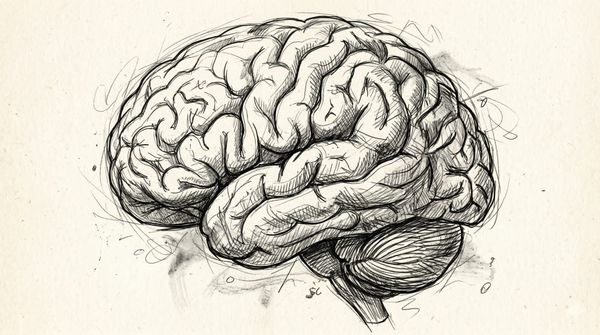
You built the agent. Gave it context. Now you're still typing the same instructions over and over for the same tasks. Skills are what close that gap — and they're simpler to build than you think.
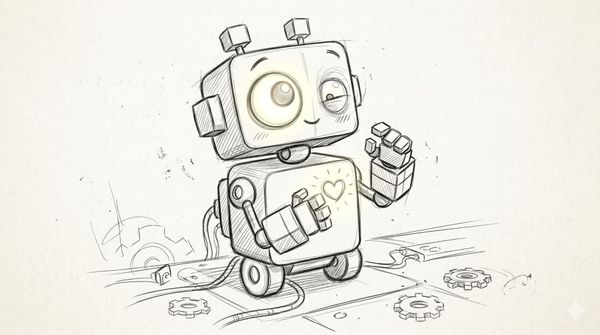
You told yourself the AI finally knows you. Then you opened a new chat and had to introduce yourself all over again. There's a fix — and most people skip it entirely.
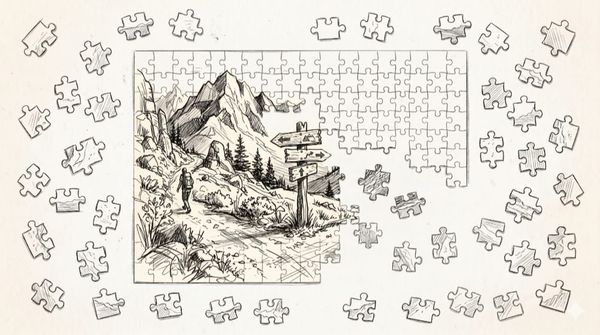
I focused a lot on a good prompt. But it was always so much work to get a good response. Turns out the problem wasn't my prompt at all. It was everything that fills the context before I even type a word.
There's a simple way to understand why AI took over software development before almost anything else. Call it the button test. The real question isn't "can AI do this task?" It's "can we define done well enough that AI can tell?"
OpenAI's founder spent $60M testing if cash could replace AI-eliminated jobs. It couldn't. MIT says $1.2T in wages are already at risk — not from future AI, but from tools that exist right now. The governance gap is widening fast.
AI isn't just automating tasks. It's reshaping which roles create value and how teams need to be built. Here's what the research shows about the talent profiles that matter most in the agentic era.
The real story isn't how many jobs are disappearing; it's the massive governance gap that's being left behind. Most organizations are racing to deploy AI agents without asking the one question that determines whether this bet pays off.
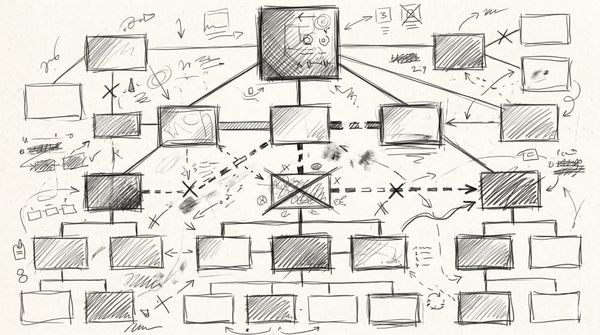
The org chart wasn't designed for the work you're actually doing today. It was designed for a railroad. And while the tools have changed in 170 years, the diagram we use to organize human, and now AI, labor has barely budged.